Apply Now Programmes Virtual Tour CT-SET 2026 Ph.D
Admissions
Open 2026-27
Apply now
Apply Now
Home  /  Programmes  /  M.Sc. Hotel Management and Tourism

M.Sc. Hotel Management and Tourism

Duration: 2 Years Category: Postgraduate Programs

Programme Details

About the Programme

M.Sc in Hotel Management and Tourism Management is a specialized postgraduate program that delves into advanced aspects of managing and leading in the hospitality and tourism industries. It covers strategic planning, sustainable tourism practices, destination management and hospitality operations. Through a combination of theoretical knowledge and practical applications, students develop the skills required for high-level management roles in hotels, resorts, tourism agencies and related sectors. The program often includes research components and opportunities for industry internships, preparing graduates for leadership positions in the dynamic and evolving field of hospitality and tourism.
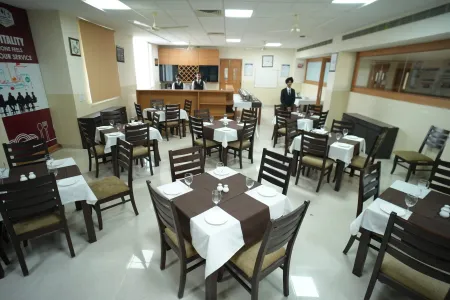
Industry Immersion

The industry immersion component of M.Sc in Hotel Management and Tourism Management entails practical experiences within the hospitality and tourism sectors. This typically involves internships in high-profile hotels, resorts, tourism boards, or travel agencies. Students engage in hands-on activities such as managing guest services, overseeing operations and participating in strategic planning. Additionally, collaborations with industry experts, site visits and exposure to emerging trends contribute to a comprehensive understanding of the industry. This immersive approach ensures that graduates are well-equipped with practical skills and insights, making them adept at navigating the complexities of management in the dynamic field of hospitality and tourism.
Eligibility Criteria

Graduation in any discipline from a recognized university with atleast 50% marks.

Register Now

Why Choose CT University

Why CT University is the Right Choice for Your Future

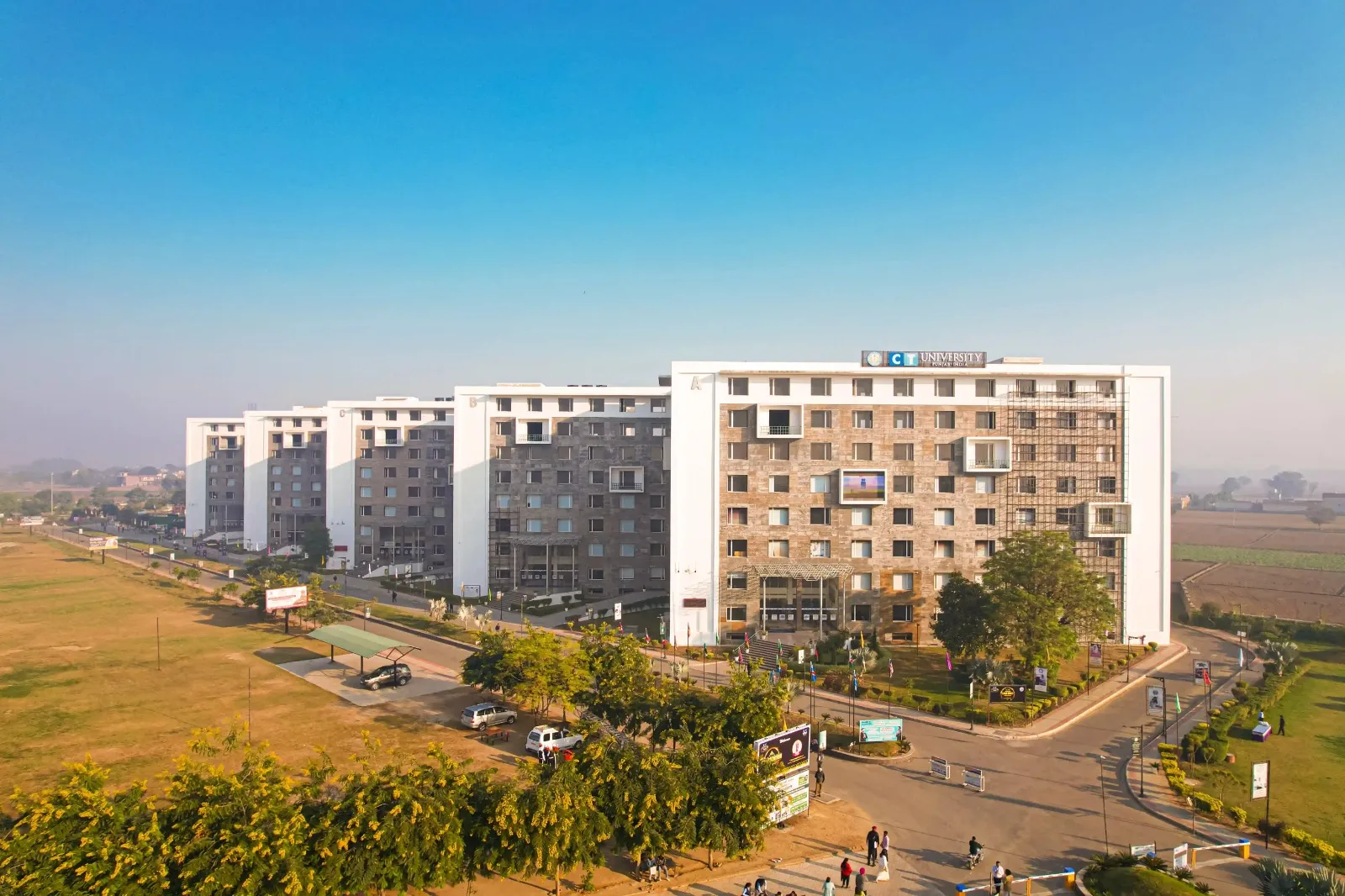
CT University Campus

At CT University, we combine industry-integrated learning and global academic partnerships, backed by the CT Group's 30+ year legacy, to prepare students for careers that actually last.

Industry-oriented
learning

Modern campus
facilities

Academic excellence &
mentorship

Global opportunities &
placements

Fee Structure & Scholarships

Program Fee Details

Fee Type Amount
Programme Fees (per Semester) ₹40000
Examination Fees ₹3000
International Fee (USD) $3200

Course Curriculum

1ST SEMESTER SUBJECTS

Introduces the principles, functions, structure and management practices of the hospitality industry, with emphasis on effective operations and guest service.
Course Outcome:
CO1: Describe the primary functions of management.
CO2: Understand the importance of planning as a fundamental function of management.
CO3: Comprehend with different types of organizational structures.
CO4: Learn various recruitment strategies for attracting and selecting qualified candidates.
CO5: Develop leadership skills necessary to influence and motivate employees.
CO6: Learn about different types of control systems used in organizations.

Introduces kitchen organization, equipment, ingredients, basic cooking methods, safety procedures and operational practices in professional food production.
Course Outcome:
CO1: Demonstrate understanding of kitchen operations with emphasis on safety and hygiene.
CO2: Recognize and differentiate various cooking methods.
CO3: Understand the organizational structure of kitchen departments in hospitality settings.
CO4: Classify and identify key food commodities.
CO5: Identify meat cuts and explain their culinary applications and characteristics.
CO6: Understand the role of stocks as a base for soups, sauces and related preparations.

Provides practical training in basic kitchen operations, mise en place, equipment handling, cooking techniques, hygiene and safe food production practices.
Course Outcome:
CO1: Identify and use kitchen tools and equipment safely.
CO2: Perform basic cuts of vegetables, chicken and fish.
CO3: Prepare stocks and mother sauces with derivatives.
CO4: Cook various classical egg preparations.
CO5: Plan and execute continental set menus.
CO6: Prepare salads and dressings with proper presentation.

Introduces the organization, functions, equipment, service procedures and operational practices of restaurants and bars in the hospitality industry.
Course Outcome:
CO1: Gain an overview of the structure, organization and functions of restaurants and bars.
CO2: Understand different types of dining establishments.
CO3: Gain comprehensive knowledge of bar operations.
CO4: Develop proficiency in serving a variety of beverages.
CO5: Explore the history of beer and its cultural significance globally.
CO6: Gain knowledge of different types of spirits.

Develops practical skills in restaurant and bar operations, including table setup, service techniques, beverage handling, order taking and guest interaction.
Course Outcome:
CO1: Identify and handle F&B equipment safely and professionally.
CO2: Prepare and maintain side stations and table linen setups.
CO3: Set up tables and serve various meal courses with napkin folds.
CO4: Practice order taking, guest interaction and KOT writing.
CO5: Demonstrate service of alcoholic beverages and buffet presentation.
CO6: Present menu items in French and English according to occasions.
TEXT BOOK:

Introduces the fundamental functions, organization, procedures and service standards of accommodation and housekeeping operations in hospitality establishments.
Course Outcome:
CO1: Describe the significance of the housekeeping department within the hospitality industry.
CO2: Identify the tools, equipment and cleaning agents used in cleaning guest rooms.
CO3: Understand role of supervision and laundry process.
CO4: Describe the key functions and responsibilities of the front office department.
CO5: Describe the Guest Cycle Process.
CO6: Evaluate profitability and operational efficiency of hotels.
TEXT BOOK:

Provides hands-on training in basic accommodation operations, including room preparation, cleaning procedures, bed making, guest services and housekeeping practices.
Course Outcome:
CO1: Identify housekeeping cleaning equipment and agents.
CO2: Demonstrate standard cleaning procedures.
CO3: Perform bed-making techniques.
CO4: Equip the maids’ trolley and clean the public areas.
CO5: Identify front office equipment and terminology.
CO6: Handle guest registration and departure procedures.

Introduces fundamental tourism concepts, components, types, motivations, stakeholders and the role of tourism in economic, social, cultural and environmental development.
Course Outcome:
CO1: Describe the fundamental concepts and dynamics of tourism.
CO2: Understand Historical Development and Trends in Tourism.
CO3: Analysing the factors influencing tourism demand.
CO4: Identify and describe the key components of the tourism industry.
CO5: Understand various types of tourism attractions.
CO6: Describe the psychological and sociological factors influencing tourist motivations.

Develops essential corporate and employability skills including communication, teamwork, leadership, professional etiquette, problem-solving and workplace behaviour.
Course Outcome:
CO1: Demonstrate communicative competence in English language for business scenarios viz presentation, business correspondence and report writing.
CO2: Usage of error-free spoken utterances and standard English expressions.
CO3: Demonstrate effective business writing skills through guided and free writing practice.
CO4: Application of focussed and effective listening skills in business contexts.
CO5: Demonstrate effective presentation skills in English Language.
CO6: Actively participate in group discussions towards gainful employment.

2ND SEMESTER SUBJECTS

Explores the culinary traditions, ingredients, cooking techniques and characteristic dishes of major Indian regions and international continental cuisines.
Course Outcome:
CO1: Identify key ingredients, herbs, spices used in cooking techniques.
CO2: Understand the various factors influencing the regional cuisines of India.
CO3: Understand the distinct flavors, ingredients and cooking methods of regional cuisines.
CO4: Describe the historical and cultural foundations of Western culinary traditions.
CO5: Describe the historical and cultural foundations of Oriental culinary traditions.
CO6: Describe the historical and cultural foundations of European culinary traditions.
TEXT BOOK:

Provides practical training in preparing, presenting and evaluating regional Indian and continental dishes using appropriate ingredients, techniques and professional standards.
Course Outcome:
CO1: Understand and prepare core Indian gravies as bases for multiple dishes.
CO2: Prepare regional Indian menus highlighting culinary diversity.
CO3: Gain knowledge of traditional Indian cuisines from Northern and Western regions.
CO4: Explore and cook regional vegetarian cuisines and southern Indian delicacies.
CO5: Demonstrate skills in European cuisines, especially Italian and French.
CO6: Execute classic Chinese and Indo-Chinese culinary techniques.

Introduces research concepts, methods, sampling, data collection, analysis, interpretation and report writing for conducting systematic research in hospitality and tourism.

Course Outcome:
CO1: Understand the concept of Research Methodology.
CO2: Develop clear and relevant research questions or hypotheses.
CO3: Choose suitable sampling method for collecting data.
CO4: Combine multiple data sources to enhance the validity of research findings.
CO5: Process and analyse the data through graphical presentation.
CO6: Draft detailed research proposals outlining objectives, methods and expected outcomes.

Introduces accounting principles, financial statements, budgeting, cost control, revenue management and financial record-keeping relevant to hospitality operations.
Course Outcome:
CO1: Understand Basic Accounting Principles.
CO2: Grasp fundamental accounting concepts.
CO3: Identify the format and structure of a trial balance.
CO4: Apply different methods of calculating depreciation.
CO5: Understand of the basic principles of financial management.
CO6: Identify the significance of working capital management in maintaining profitability.

Explores India's natural, cultural, historical, religious and heritage tourism resources and their significance in developing diverse tourism products.
Course Outcome:
CO1: Describe different types of tourism products.
CO2: Know about diverse cultural practices, traditions and customs of India.
CO3: Develop knowledge about natural resources of India.
CO4: Learn sustainable methods for managing natural resources.
CO5: Familiar with unique characteristics of crafts from different parts of India.
CO6: Understand the various ecosystems and habitats across the country.

Develops knowledge of travel agency functions, tour planning, itinerary preparation, reservations, package tours, documentation and tour operation procedures.
Course Outcome:
CO1: Understand the Fundamentals of Travel Agency and Tour Operations.
CO2: Describe the organizational structure and functions of a travel agency.
CO3: Develop knowledge about tour costing and travel formalities.
CO4: Gain a comprehensive understanding of the tour operations industry.
CO5: Understand the fundamentals of travel planning and budget management.
CO6: Understand the need for tourism organizations.

Introduces marketing concepts, sales techniques, customer segmentation, promotional strategies, digital marketing and relationship management in hospitality businesses.
Course Outcome:
CO1: Recognize the role and importance of marketing in organizations and society.
CO2: Understand the various factors that influence consumer buying behaviour.
CO3: Comprehend the concept and importance of distribution channels in the hospitality industry.
CO4: Understand the role of technology in hospitality and tourism marketing.
CO5: Comprehend the role and importance of sales management.
CO6: Analyze the skills, competencies and attributes required for successful sales performance.

Develops employability skills through professional communication, career planning, interview preparation, workplace etiquette, teamwork and leadership development.
Course Outcome:
CO1: Design and present a professional résumé.
CO2: Demonstrate ability to use job search engines and LinkedIn effectively.
CO3: Participate in interviews using appropriate etiquette and strategies.
CO4: Lead and contribute to group discussions.
CO5: Exhibit soft skills including grooming and workplace behavior.
CO6: Perform job-related digital and logical reasoning tasks.

Professional Development–I is an optional, non-credit course. Evaluation shall be on a Satisfactory /Unsatisfactory basis.
Department Elective-1

Develops entrepreneurial knowledge and skills for identifying opportunities, creating business ventures and managing innovative and sustainable enterprises in the tourism industry.
Course Outcome:
CO1: Define entrepreneurship and recognize traits of successful entrepreneurs in tourism.
CO2: Analyze how external environments impact tourism entrepreneurship.
CO3: Understand business structures and legal setups for tourism ventures.
CO4: Create business plans and assess feasibility using SWOT and research.
CO5: Identify tourism sector opportunities and evaluate risks and returns.
CO6: Explore financial support systems and tackle challenges in small enterprises.

Explores rural and community-based tourism models with emphasis on local participation, cultural preservation, livelihood development, sustainability and responsible destination management.
Course Outcome:
CO1: Understand rural tourism resources into marketable products.
CO2: Understand the role of various organizations in supporting rural tourism development.
CO3: Develop knowledge of organizing and promoting community events.
CO4: Demonstrate the ability to apply community-based approaches.
CO5: Gain knowledge about rural tourism sites in India.
CO6: Develop awareness of emerging trends in rural tourism.

3RD SEMESTER SUBJECTS

Develops advanced knowledge of specialized food production, menu planning, kitchen management, food costing, quality control and efficient resource utilization in professional kitchens.
Course Outcome:
CO1: Understand kitchen planning, organization, production control and yield management.
CO2: Explain structure, layout and operations of the larder and cold kitchen.
CO3: Describe various charcuterie items and classical preparation techniques.
CO4: Apply principles and steps involved in bread fabrication and identify faults.
CO5: Demonstrate basic techniques in sponge and cake making processes.
CO6: Understand fundamentals of confectionery including sugar, icing and chocolate work.

Introduces the planning, organization, execution, marketing, budgeting, logistics, risk management and evaluation of events in hospitality and tourism.

Course Outcome:
CO1: Understand the basics, scope, types and roles in event management.
CO2: Apply planning, budgeting and scheduling techniques for event preparation.
CO3: Analyze event marketing, branding and promotional strategies.
CO4: Manage logistics, venue layout and technical arrangements for events.
CO5: Coordinate live event execution with teams, vendors and stakeholders.
CO6: Evaluate event outcomes and explore careers in event management.

Examines the legal principles, regulations, contracts, licensing requirements, consumer protection, liabilities and compliance issues governing hospitality and tourism operations.
Course Outcome:
CO1: Understand basic laws and regulations in the hotel and tourism industry.
CO2: Explain legal rights and duties of hotels and guests.
CO3: Describe licensing procedures for hotel and bar operations.
CO4: Identify key food laws and safety regulations.
CO5: Apply contract and sales laws in hotel operations.
CO6: Understand partnership and labor laws in hospitality.

Develops knowledge of recruitment, selection, training, performance management, motivation, employee relations and talent development in hospitality and tourism organizations.
Course Outcome:
CO1: Understand the role and importance of HRM in hospitality and tourism.
CO2: Apply HR planning and job analysis for effective workforce management.
CO3: Demonstrate recruitment and selection processes with legal and ethical awareness.
CO4: Design training and development programs to enhance employee skills.
CO5: Evaluate performance management techniques for career growth.
CO6: Manage compensation, grievances and discipline to maintain industrial relations.

Develops understanding of tourism planning, destination development, sustainability principles, stakeholder participation, resource conservation and strategies for responsible tourism growth.
Course Outcome:
CO1: Understand the fundamentals and processes of tourism planning.
CO2: Identify and interpret key tourism policies and planning frameworks in India.
CO3: Apply strategic planning techniques for tourism destination development.
CO4: Evaluate the economic and environmental impacts of tourism.

CO5: Analyse the relationship between tourism, conservation and sustainability.
CO6: Demonstrate awareness of sustainable tourism practices and community empowerment.

Provides practical training in specialized food production, advanced culinary techniques, menu execution, food costing, quality control and professional kitchen management.
Course Outcome:
CO1: Demonstrate preparation and presentation of classical and contemporary salads.
CO2: Prepare a variety of cold, grilled and toasted sandwiches with professional techniques.
CO3: Identify and utilize ingredients and equipment used in basic bread making.
CO4: Apply skills in making soft and hard rolls using different bread-making methods.
CO5: Execute sponge preparation, icing techniques, sugar cooking stages and pizza making.

Introduces students to systematic research through topic selection, literature review, research design, methodology, data collection planning and development of a structured research proposal.

Enhances employability through advanced communication, leadership, career planning, interview skills, workplace etiquette and professional competency development.

Professional Development–II is an optional, non-credit course. Evaluation shall be on a Satisfactory/Unsatisfactory basis.
Department Elective - 2

Develops advanced knowledge and skills in food and beverage service management, including specialized service techniques, menu planning, cost control, beverage operations, quality management and guest experience.
Course Outcome:
CO1: Apply room service skills in order taking, pantry use and billing.
CO2: Manage banquet and outdoor catering setups, contracts and billing.
CO3: Plan and assess menus for different outlets and guest preferences.
CO4: Use cost control methods to run operations efficiently and reduce waste.
CO5: Apply smart purchasing with SPS, supplier checks and buying methods.
CO6: Handle store tasks like receiving, storing, issuing and stock control.

Develops advanced competencies in front office and housekeeping management, focusing on guest cycle management, room operations, revenue optimization, quality standards and interdepartmental coordination.
Course Outcome:
CO1: Understand the structure and functions of room division and its role in hotel operations.
CO2: Apply aesthetic and technological tools to enhance guest experience in room division.
CO3: Perform front office accounting and execute night audit procedures accurately.
CO4: Develop effective room rate strategies, forecasting methods and budgeting plans.
CO5: Implement revenue and yield management techniques to optimize room profitability.
CO6: Deliver personalized guest services and utilize digital tools for service excellence.
Department Elective - 3

Provides practical and advanced training in specialized food and beverage service, including fine dining, specialty service techniques, beverage operations, guest handling and service quality management.
Course Outcome:
CO1: Perform room service operations including tray setup, order taking and billing.
CO2: Execute banquet and off-premise catering setups and documentation.
CO3: Design and plan menus for diverse F&B outlets and events.
CO4: Apply food and beverage cost control and portioning techniques.
CO5: Conduct purchasing, receiving, storing and issuing procedures effectively.

Provides hands-on training in advanced front office and housekeeping operations, including guest cycle management, room operations, service quality, coordination and use of operational systems.
Course Outcome:
CO1: Demonstrate understanding of aesthetic arrangements for front office decor.
CO2: Apply basic accounting principles in front office operations.
CO3: Analyze and implement night audit and pricing strategies effectively.
CO4: Calculate and interpret key hotel performance indicators and guest engagement cycles.
CO5: Handle guest complaints professionally, incorporating technology for improved service.

4TH SEMESTER SUBJECTS

Provides supervised industry exposure in hospitality establishments, enabling students to apply theoretical knowledge while developing practical, operational, communication and professional competencies.

Enables students to systematically document, analyze and present their industrial training experience, demonstrating practical learning, observations and professional competencies.

Labs and Facilities

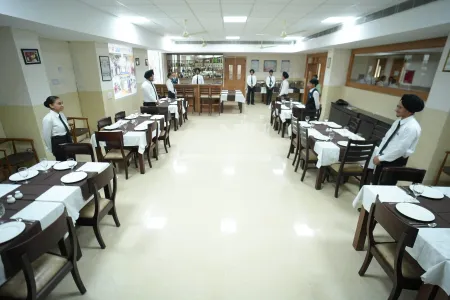
Advanced Training Restaurant

Advanced Training Restaurant

Explore More
01
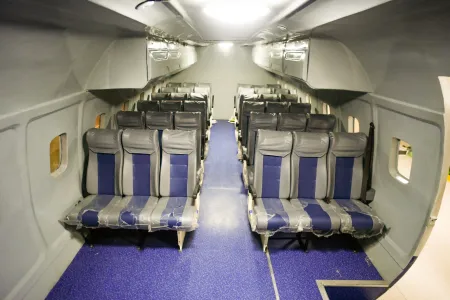
Airlines Lab

Airlines Lab

Explore More
02
Basic Training Restaurant

Basic Training Restaurant

Explore More
03
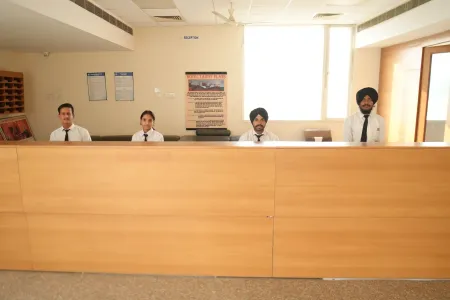
Front Office Lab

Front Office Lab

Explore More
04
Housekeeping Lab

Housekeeping Lab

Explore More
05
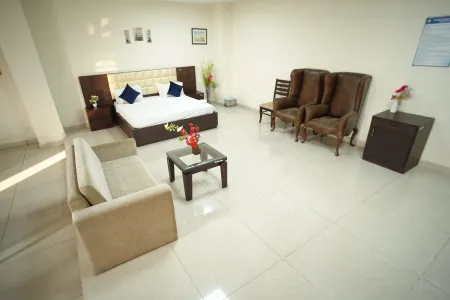
Model Guest Room

Model Guest Room

Explore More
06
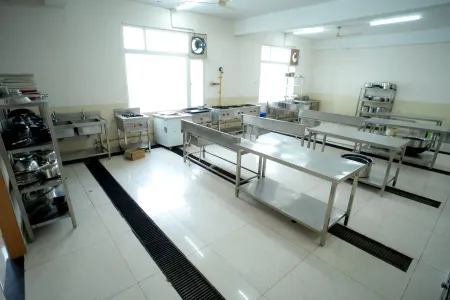
Quantity Kitchen

Quantity Kitchen

Explore More
07

Backed by the Legacy of CT Group, Driven by Proven Success

30000+

Placements

800+

Collaborations

1.2Cr

Highest Placement

1800+

Recruiters

1 Lac+

Alumni

40Cr

WORTH SCHOLARSHIP

Hear From Our Students

"

Studying B.com in the School of Management Studies at CTU has been a delightful journey. The knowledgeable faculty and engaging coursework have not only deepened my understanding of commerce but also sparked a passion for it. With a perfect blend of academics and extracurricular activities, CTU has been the perfect launchpad for my future endeavors after gaining quality education and great leadership skills and exposure from industrial visits.

"

"CT University stands out for its student-centric approach. The B.Sc. Radiology program is designed to meet industry standards, and the professors are always approachable and ready to assist. The emphasis on practical learning and internships has given me confidence and clarity in my chosen field. I highly recommend this course to anyone interested in a career in radiology."

"

Studying at CT University was an enriching experience, thanks to access to advanced technology and learning resources. The state-of-the-art operation theatre labs, anesthesia workstations, and simulation-based training ensured we were always prepared for both theoretical and practical aspects of our studies.